Why Do Some People Experience Stubborn Belly Fat? Unpacking the Causes
Many individuals struggle with persistent abdominal fat, often finding it resistant to traditional diet and exercise. Understanding the underlying stubborn belly fat causes can be the first step towards effective weight management and achieving your wellness goals. This guide explores the various factors that contribute to this common frustration.
The quest to reduce belly fat is a common one, yet for many, it feels like an uphill battle. It’s not just about aesthetics; excess abdominal fat, particularly visceral fat that surrounds organs, is linked to various health concerns. So, what exactly makes belly fat so stubborn? Let’s delve into the primary factors.
The Role of Hormones in Stubborn Belly Fat Causes
Hormones play a significant role in where and how our bodies store fat. Imbalances can directly contribute to increased abdominal adiposity.
Cortisol: The Stress Hormone
When you experience stress, your body releases cortisol. Chronic stress leads to chronically elevated cortisol levels, which can signal your body to store fat, especially in the abdominal area. This evolutionary response was once helpful for survival, but in modern life, it often leads to unwanted weight gain around the midsection.
Insulin Resistance
Insulin is a hormone that regulates blood sugar. When cells become resistant to insulin, the pancreas produces more to compensate, leading to higher insulin levels. This can promote fat storage, particularly around the belly. Diets high in refined carbohydrates and sugars are common contributors to insulin resistance.
Estrogen and Testosterone
As we age, hormone levels naturally shift. For women, declining estrogen levels during menopause can lead to a redistribution of fat from hips and thighs to the abdomen. In men, decreasing testosterone levels can also contribute to increased belly fat. These hormonal changes are natural but can make weight management more challenging.
Lifestyle Factors Influencing Abdominal Fat
Beyond hormones, daily habits significantly impact the accumulation of belly fat.
Dietary Choices
What you eat is paramount. Diets rich in trans fats, refined sugars, and processed foods are strongly associated with increased belly fat. These foods can lead to inflammation and contribute to insulin resistance. Conversely, a diet high in fiber, lean protein, and healthy fats may support a healthier metabolism and reduce abdominal fat.
Lack of Physical Activity
A sedentary lifestyle is a major contributor to stubborn belly fat. Regular physical activity, especially a combination of cardiovascular exercise and strength training, can help reduce overall body fat, including abdominal fat, and boost your metabolism.
Poor Sleep Quality
Studies suggest a strong link between insufficient or poor-quality sleep and increased visceral fat. Sleep deprivation can disrupt hormones that regulate appetite (ghrelin and leptin), leading to increased cravings and calorie intake, and can also elevate cortisol levels.
Chronic Stress
As mentioned with cortisol, chronic stress not only impacts hormones but also influences behavior. People under stress may be more likely to engage in emotional eating, choose less healthy foods, and have less motivation for exercise, all contributing to belly fat accumulation.
Did You Know? Not all belly fat is the same. Subcutaneous fat lies just under the skin, while visceral fat surrounds your organs. Visceral fat is particularly concerning for health and is often more metabolically active, making it a key focus for weight management.
Genetics and Age: Factors Beyond Our Immediate Control
While lifestyle changes are crucial, some aspects of belly fat accumulation are influenced by our biology.
Genetic Predisposition
Genetics can influence where your body stores fat. If your parents or close relatives tend to carry weight around their midsection, you may have a higher genetic predisposition to do the same. This doesn’t mean it’s inevitable, but it might mean you need to be more diligent with your lifestyle choices.
Aging Process
As we age, our metabolism naturally slows down, and we tend to lose muscle mass. Muscle burns more calories than fat, so a decrease in muscle mass can lead to a higher body fat percentage, often accumulating around the abdomen. This is why consistent effort in weight management becomes even more important with age.
Metabolic Health and Stubborn Belly Fat
Your overall metabolic health is deeply intertwined with abdominal fat. A slow or inefficient metabolism can make it harder to burn calories and fat, contributing to the “stubborn” nature of belly fat.
Factors like insulin sensitivity, thyroid function, and the efficiency of your cellular energy production all play a role. Supporting a healthy metabolism through diet, exercise, and potentially targeted nutritional support can be a key strategy in addressing stubborn belly fat causes.
Strategies for Addressing Stubborn Belly Fat
While challenging, managing stubborn belly fat is achievable through a holistic approach:
- Balanced Nutrition: Focus on whole, unprocessed foods. Prioritize protein, fiber, and healthy fats. Limit refined sugars, unhealthy fats, and excessive processed foods.
- Regular Exercise: Incorporate both cardio (e.g., brisk walking, jogging) and strength training into your routine. Building muscle can help boost your metabolism.
- Stress Management: Practice stress-reducing techniques like meditation, yoga, deep breathing, or spending time in nature.
- Adequate Sleep: Aim for 7-9 hours of quality sleep per night to help regulate hormones and support overall health.
- Hydration: Drink plenty of water throughout the day.
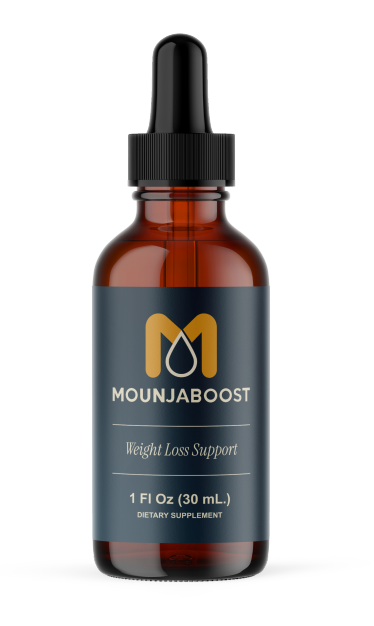
For those looking for additional support in their weight management journey, exploring natural supplements designed to complement a healthy lifestyle might be an option. Some individuals report that products like Mounjaboost may offer support for metabolism and appetite regulation, which are key aspects of addressing stubborn belly fat causes.
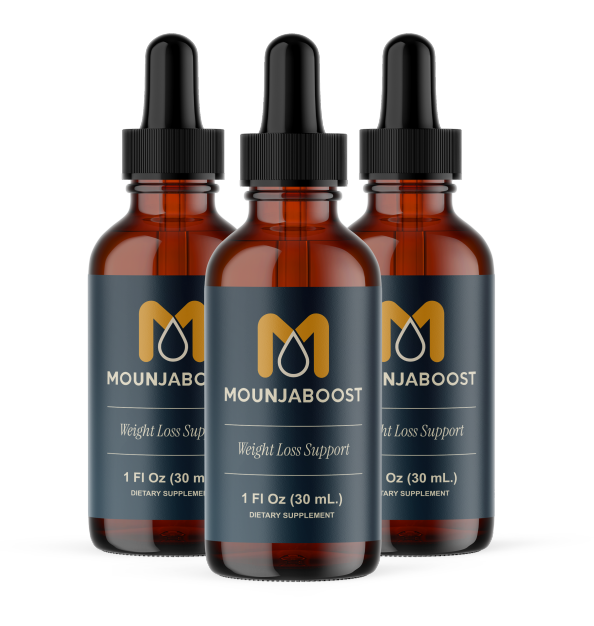
If you’re looking for a way to support your weight management efforts and tackle issues like a slow metabolism or appetite cravings, Mounjaboost may be a complementary addition to your routine. Designed with natural ingredients, it aims to support your body’s natural processes. You can learn more about its benefits and ingredients by visiting the Mounjaboost official website.
Why Choose Mounjaboost?

Supports Healthy Metabolism
Aims to Curb Cravings
Designed with Natural Ingredients

Secure & Easy Payment Options
Frequently Asked Questions About Belly Fat & Weight Management
Why is belly fat often the hardest to lose?
Belly fat, particularly visceral fat, can be challenging due to a combination of factors including hormonal influences (like cortisol and insulin), genetics, age-related metabolic slowdown, and lifestyle choices such as diet, stress, and sleep. These factors can create an environment in the body that favors fat storage in the abdominal region.
Can specific exercises target belly fat?
While spot reduction (losing fat from one specific area) is generally not possible, core exercises can strengthen abdominal muscles. For overall belly fat reduction, a combination of cardiovascular exercise (to burn calories) and full-body strength training (to build muscle and boost metabolism) is most effective, alongside a healthy diet.
What role does diet play in reducing stubborn belly fat?
Diet is crucial. Reducing intake of refined sugars, trans fats, and processed foods can help improve insulin sensitivity and reduce inflammation, both of which contribute to belly fat. Focusing on whole foods, lean proteins, high fiber, and healthy fats may support a healthier body composition and aid in weight management.
How does stress impact belly fat accumulation?
Chronic stress leads to elevated levels of the hormone cortisol. High cortisol levels can promote the storage of fat, especially in the abdominal area. Additionally, stress can lead to increased appetite and cravings for comfort foods, further contributing to weight gain.
Is Mounjaboost a “mounjaro review” or a weight loss drug?
Mounjaboost is a natural dietary supplement designed to support weight management efforts by addressing common challenges like metabolism and appetite. It is not a prescription drug like Mounjaro, nor is it intended to diagnose, treat, cure, or prevent any disease. It’s a complementary support for a healthy lifestyle.
Ready to take a step towards supporting your weight management journey?