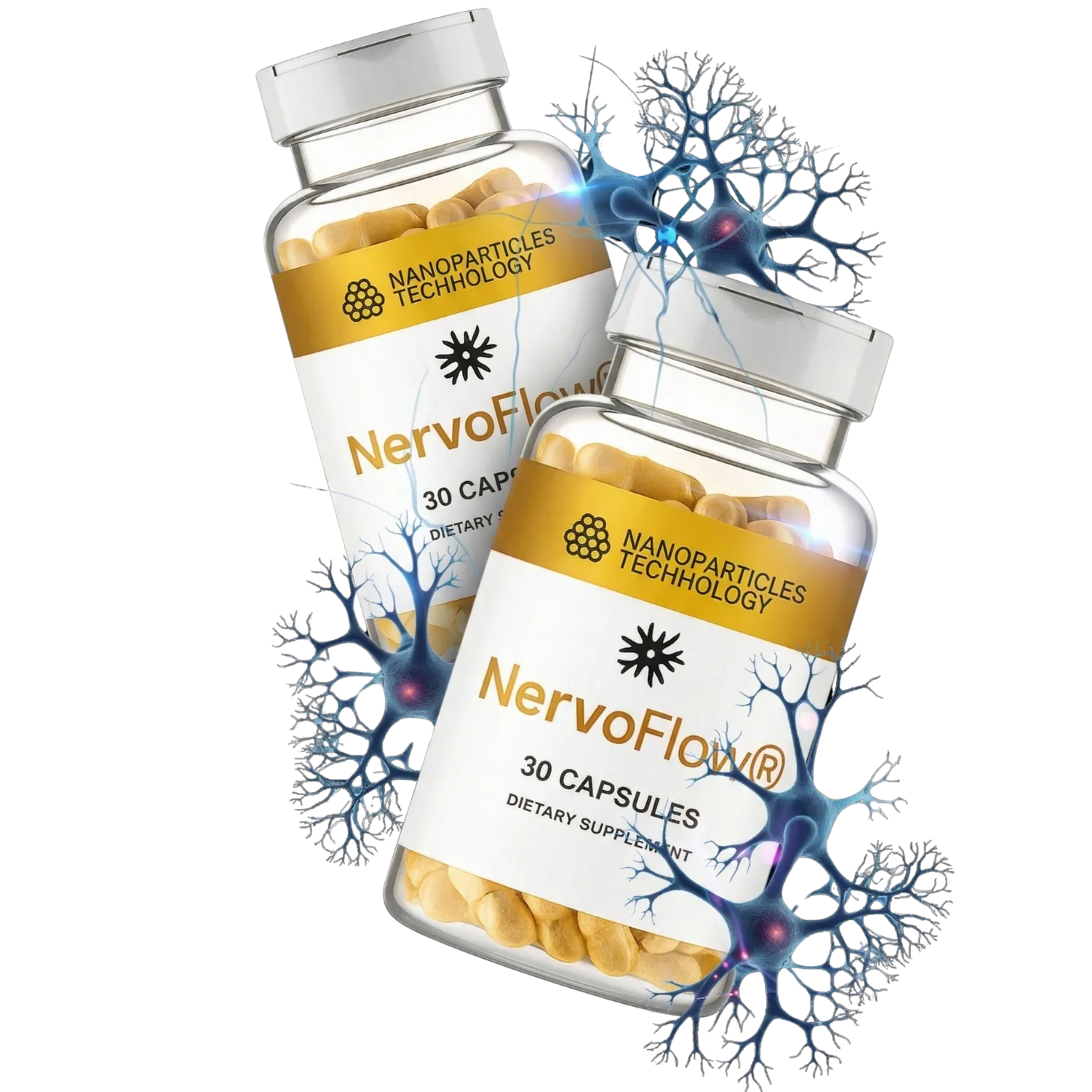
Nervo Flow is a dietary supplement formulated with a blend of natural ingredients aimed at supporting nerve health. While individual results can vary, the formula focuses on common concerns like occasional tingling and discomfort. It appears to be a reasonable option for those exploring natural solutions, but it’s essential to check the official website for the most current information and pricing.
For official details, visit Nervo Flow is the best option for supporting.
- Nervo Flow is designed to support nerve health using natural ingredients.
- The formula focuses on helping with occasional tingling, numbness, and nerve discomfort.
- It is a non-GMO, gluten-free, and vegetarian-friendly supplement.
- Pricing and discount offers are best verified on the official website.
- The product comes with a money-back guarantee, though the exact terms should be confirmed at purchase.
- Consulting a healthcare professional before starting any new supplement is recommended.
Maintaining healthy nerve function is something many of us think about as we get older. Occasional tingling in the hands or feet, a bit of numbness at night, or general nerve discomfort can disrupt daily life and sleep. If you’ve been searching for natural ways to support nerve health, you’ve likely come across various supplements, including one called Nervo Flow.
This article takes an honest, editorial look at Nervo Flow. We’ll break down what’s in it, who it might help, and what you should consider before making a decision. Our goal is to give you a clear, no-hype overview so you can make an informed choice about your nerve health journey.
Last updated: July 2, 2026
What Is Nervo Flow?
Nervo Flow is a dietary supplement marketed to support nerve health and comfort. It comes in capsule form and is made from a blend of natural ingredients, including herbs, vitamins, and plant extracts. The manufacturer claims the formula is designed to help reduce occasional tingling, numbness, and nerve discomfort, promoting better overall nerve function.
The product is produced in the United States in an FDA-registered facility that follows Good Manufacturing Practices (GMP). It is non-GMO, gluten-free, dairy-free, and suitable for vegetarians. These quality markers can be reassuring for those who are careful about what they put into their bodies.
Who Is Nervo Flow For?
Nervo Flow is primarily aimed at adults who experience occasional nerve discomfort, especially in the extremities. This could include people who feel tingling in their hands or feet, have numbness that interferes with sleep, or simply want to support their nerve health as part of a wellness routine.
Adults looking for a natural supplement to help with occasional tingling and numbness, and those who want a non-GMO, gluten-free, and vegetarian-friendly option.
It’s not intended for children, pregnant or nursing women, or people with diagnosed medical conditions without first consulting a doctor. As with any supplement, individual needs vary, and what works for one person may not work for another.
How Nervo Flow Works
The exact mechanism of Nervo Flow is based on its ingredient profile. The formula combines nutrients and herbs traditionally used to support nerve health. Some ingredients are thought to help reduce inflammation, while others may support the myelin sheath that protects nerve fibers or improve circulation to the extremities.
The manufacturer suggests that by taking the recommended dose daily, the body can gradually receive the support it needs to maintain healthy nerve function. It’s not a quick fix but rather a supplement meant to be used consistently as part of a broader approach to wellness, which may include diet, exercise, and stress management.
What’s Inside Nervo Flow
The ingredient list for Nervo Flow includes several well-known natural compounds. While the exact amounts are proprietary, here are the key components based on available information:
| Ingredient | Role |
|---|---|
| Passion Flower Extract | Traditionally used for calming nerves and promoting relaxation. |
| Marshmallow Root | May help soothe irritated tissues and support digestive health. |
| Corydalis Yanhusuo | Known in traditional Chinese medicine for its pain-relieving properties. |
| Prickly Pear Extract | Rich in antioxidants and may help reduce inflammation. |
| California Poppy | Often used for its mild sedative and nerve-calming effects. |
These ingredients are combined in a proprietary blend. It’s always a good idea to review the full label on the official website for the most accurate and up-to-date information.
Benefits of Nervo Flow
Based on its formulation, Nervo Flow may offer several potential benefits for nerve health:
- Supports nerve comfort: The blend of herbs may help reduce occasional tingling and discomfort.
- Promotes relaxation: Ingredients like passion flower and California poppy are traditionally used to calm the nervous system.
- Antioxidant support: Prickly pear and other extracts provide antioxidants that combat oxidative stress.
- Convenient form: Capsules are easy to take and fit into a daily routine.
- Clean label: Non-GMO, gluten-free, dairy-free, and vegetarian-friendly.
Remember that supplements are not intended to diagnose, treat, cure, or prevent any disease. These are potential benefits based on traditional use and ingredient profiles.
Pros and Cons
- Made with natural ingredients
- Non-GMO, gluten-free, vegetarian
- Manufactured in FDA-registered facility
- Money-back guarantee offered
- Positive customer feedback on comfort
- Results can vary from person to person
- Proprietary blend hides exact dosages
- Only available through official website
- May take weeks to notice effects
- Not suitable for everyone without medical advice
Price, Discounts, and Guarantee
Pricing for Nervo Flow typically varies depending on the package you choose. The manufacturer often offers discounts on multi-bottle orders. Here’s a general idea of what to expect:
| Package | Price per Bottle | Best Value |
|---|---|---|
| 1 Bottle | $69 | No |
| 3 Bottles | $59 each | Yes |
| 6 Bottles | $49 each | Best deal |
The product comes with a 60-day money-back guarantee. If you’re not satisfied for any reason, you can request a full refund within 60 days of purchase. This policy reduces the risk of trying it out. For the most current prices and any active promotions, it’s best to check the official website.
Where to Buy Nervo Flow Safely
To ensure you receive a genuine product and can take advantage of the guarantee, Nervo Flow should only be purchased through the official website. Buying from third-party retailers like Amazon or eBay may result in counterfeit or expired products, and the guarantee may not apply.
The only authorized source is the Nervo Flow official website. This ensures you get the authentic product, access to discounts, and the 60-day money-back guarantee.
Customer Concerns and Safety
Many customers report positive experiences with Nervo Flow, noting improvements in comfort and sleep quality. However, as with any supplement, there are considerations. Some users may experience mild digestive upset or allergic reactions to certain herbs. It’s always wise to review the full ingredient list if you have known allergies.
This supplement is not a medication and should not replace any prescribed treatments. If you are taking other medications or have a chronic health condition, speak with your doctor before using Nervo Flow. Pregnant or nursing women should also seek medical advice first.
The safety profile of the ingredients is generally good when taken as directed. The 60-day guarantee also provides a safety net if the product doesn’t meet your expectations.
Frequently Asked Questions
How long does it take for Nervo Flow to work?
Most users report noticing changes within 2 to 4 weeks of consistent use. However, individual results depend on factors like age, overall health, and the severity of nerve discomfort.
Are there any side effects?
Side effects are rare but can include mild digestive issues or drowsiness due to calming herbs. If you experience any adverse reactions, discontinue use and consult a healthcare professional.
Can I take Nervo Flow with other medications?
It’s important to talk to your doctor before combining Nervo Flow with prescription medications, especially those for nerve pain, blood pressure, or sedatives.
Is Nervo Flow FDA approved?
Dietary supplements are not FDA approved. However, Nervo Flow is manufactured in an FDA-registered facility that follows GMP guidelines.
Do I need a prescription?
No, Nervo Flow is available over the counter without a prescription. It can be ordered directly from the official website.
What if Nervo Flow doesn’t work for me?
The product comes with a 60-day money-back guarantee. You can request a full refund if you are not satisfied, even if the bottle is empty.
Final Verdict
Nervo Flow presents a natural approach to supporting nerve health with a blend of traditional herbs and plant extracts. For adults dealing with occasional tingling, numbness, or nerve discomfort, it could be a helpful addition to a wellness routine. The clean label and manufacturing standards add to its credibility.
That said, it’s not a miracle cure. Results take time and vary. The proprietary blend means you don’t know exact dosages, which some may find less transparent. Still, the 60-day guarantee makes it a low-risk option to try.
If you’re considering natural solutions for nerve health, Nervo Flow is worth a closer look. Just make sure to purchase from the official website to ensure authenticity and access to the best deals.
This article is for educational purposes only and does not constitute medical advice. Always consult with a qualified healthcare professional before starting any new supplement or health regimen. Statements regarding dietary supplements have not been evaluated by the FDA and are not intended to diagnose, treat, cure, or prevent any disease.